
 Anata Intelligence
 Shipping OS
Amazon advertising
How Amazon advertising actually works.
The short answer.
Amazon advertising is three ad types running on one auction. Sponsored Products put your listings in search and on product pages, Sponsored Brands put your logo and a set of products at the top of a search, and Sponsored Display and DSP reach shoppers on and off Amazon. You bid for placement, you pay when someone clicks, and Amazon ranks your bid against everyone else chasing the same keyword.
The work is not launching ads. It is deciding which products deserve spend, which search terms are worth paying for, and how much a click can cost before the sale stops being profitable. Get that structure right and the account funds its own growth. Get it wrong and you pay to teach the algorithm nothing.
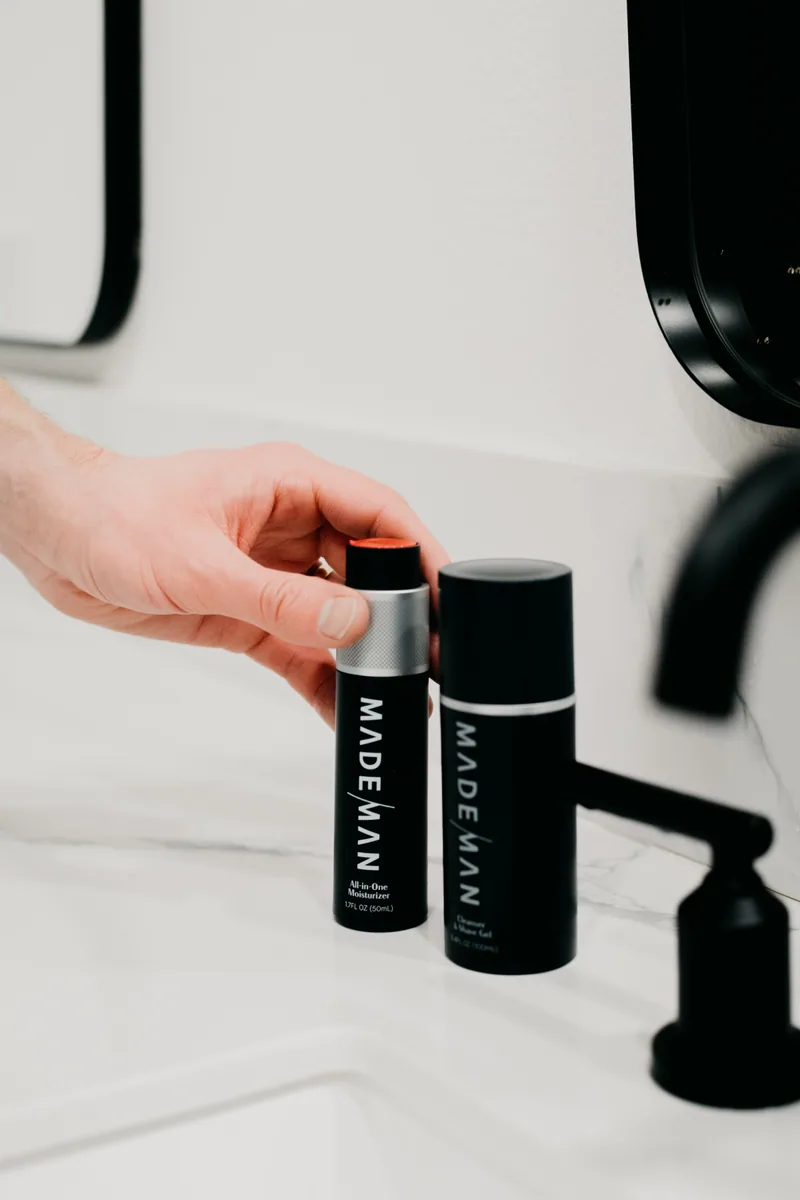
The product behind the campaign
Advertising decisions start with what the customer is choosing.
The account structure, creative, and product page have to support the same buying decision.
The three ad types, in plain terms.
Sponsored Products is the workhorse. It promotes a single listing inside search results and on competitors' product pages, and it is where most accounts should spend most of their budget because it meets a shopper who is already looking to buy.
Sponsored Brands sits at the top of a search result with your logo, a headline, and a row of products. It buys real estate and brand recall, so it earns its place once you have a catalog worth showcasing, not on day one.
Sponsored Display and Amazon DSP reach beyond the search bar. They retarget shoppers who viewed your product, and they place ads on and off Amazon. They are how you defend a listing you already rank for and how you reach people before they search.
The two numbers that decide everything.
ACoS, advertising cost of sales, is ad spend divided by ad-attributed revenue. It tells you how efficient a single campaign is, and it is the number most people fixate on.
TACoS, total advertising cost of sales, is ad spend divided by total revenue, ads plus organic. It tells you whether advertising is growing the whole business or just moving sales you would have made anyway. A healthy account often runs a higher ACoS on purpose, because the ad spend is lifting organic rank, and TACoS is what proves it.
You do not optimize toward one target number for the whole account. A launch product can carry a high ACoS while it builds rank. A mature bestseller should run lean. Judging both by the same line is the most common way spend leaks.
Where advertising quietly loses money.
Broad and auto campaigns that never get harvested. They find search terms for you, but if nobody moves the winners into their own tight campaigns and adds the losers as negatives, you keep paying for clicks that will not convert.
Bidding the same on every placement. Top of search converts differently than a product page, and Amazon lets you adjust by placement. Flat bids leave that on the table.
Ignoring the listing under the ad. Advertising sends traffic. The listing converts it. If the images, title, and price are not right, more ad spend just buys more expensive bounces.
Where software automation fits.
Amazon PPC automation software can keep qualified bid, budget, search-term, targeting, and campaign-coverage work moving between manual audits. It does not remove the need to define each product's role, confirm the evidence, set approval and execution limits, or separate a recommendation from a provider-confirmed change.
Evaluate software by the actions it can actually take, the business context it can use, the ad types it supports, and the record it leaves behind. Anata Intelligence applies that operating model to a current Sponsored Products decision contract. Teams that want Anata operators to review or run the account should use the separate managed PPC service instead.
- 1
Set the structure before the budget.
Group products by role, launch, growth, and mature, so each group can carry its own efficiency target instead of one blanket ACoS.
- 2
Let auto and broad campaigns find the terms.
Run discovery campaigns to surface which real searches convert, and read the search-term report rather than guessing keywords.
- 3
Harvest winners, negate losers.
Move converting search terms into tight exact-match campaigns with their own bids, and add non-converters as negatives so discovery spend stays cheap.
- 4
Bid by placement and by product role.
Raise bids where a placement converts and pull them where it does not, and hold launch products to a looser target than mature ones.
- 5
Read TACoS, not just ACoS.
Track total advertising cost of sales so you can see whether the ad spend is lifting organic rank or just buying sales you already had.
Want to see where your own spend is leaking? Get a free ads audit and we will name the gap before you pay anything. See Amazon advertising →