
 Anata Intelligence
 Shipping OS
Ecommerce fulfillment
How ecommerce fulfillment actually works.
The short answer.
Ecommerce fulfillment is everything that happens between a customer clicking buy and the box arriving at their door. It is receiving your inventory, storing it, picking the right items when an order comes in, packing them, and handing the package to a carrier. Then it is returns, which run the same steps in reverse.
You can do it yourself, hand it to Amazon through FBA, or use a third-party logistics provider, a 3PL. The right answer depends on order volume, how many channels you sell on, and how much of your day you want back. The mechanics are the same either way. What changes is who does the physical work and how visible it stays to you.
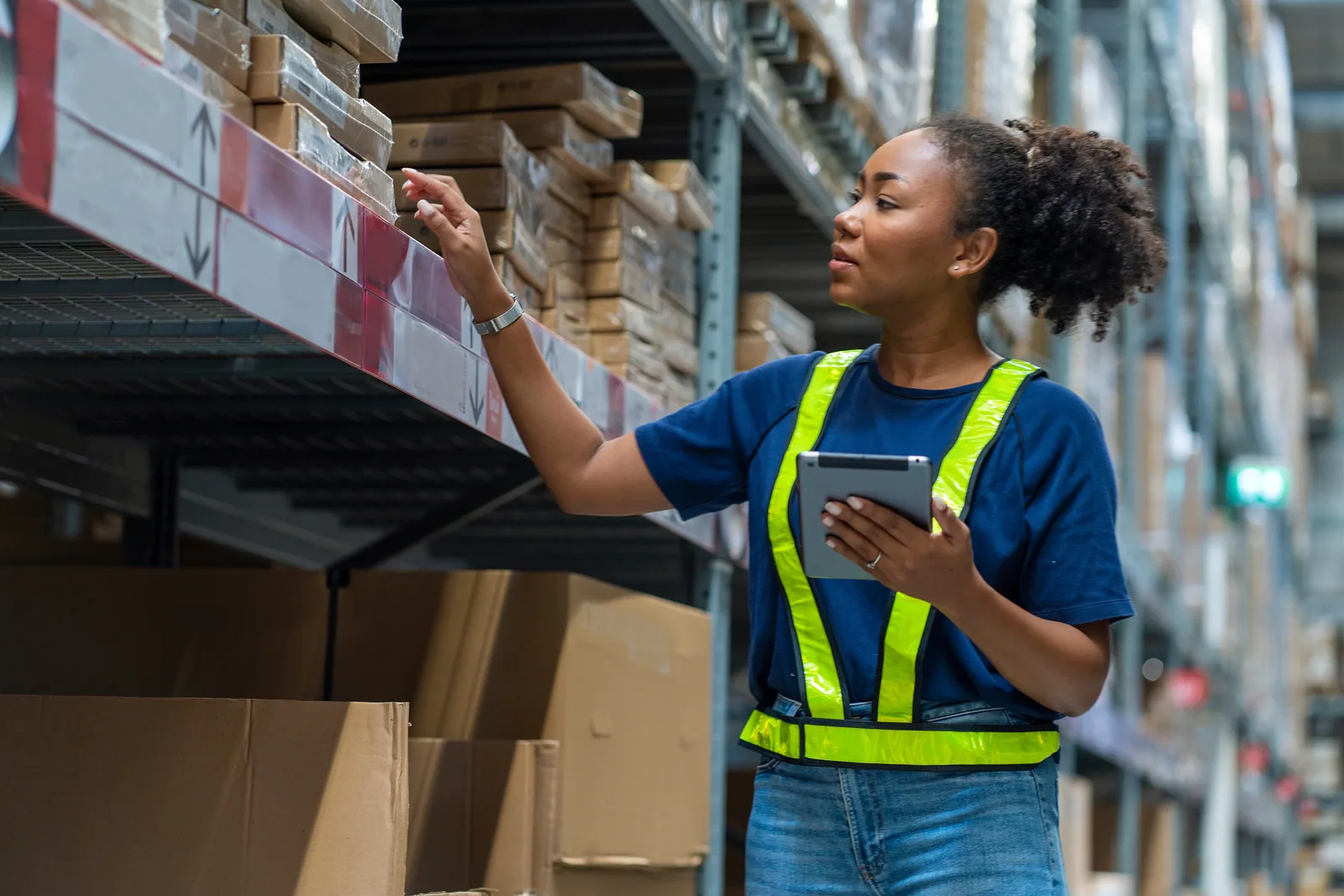
The physical order journey
Every fulfillment model becomes real work on a floor.
Receiving, storing, picking, packing, and carrier handoff each change the customer outcome.
The five steps of a shipped order.
Receiving. Your inventory arrives at a warehouse, gets counted against the manifest you sent, and any discrepancy is logged before anything moves to a shelf.
Storage. Units are slotted so they can be found fast. Good slotting is invisible until an order comes in, and then it is the difference between a two-minute pick and a twenty-minute hunt.
Pick and pack. When an order lands, someone pulls the exact items, checks them, and packs them to survive the trip. Accuracy here is the whole game, because a mispick becomes a return and a refund.
Ship. The package gets a label from whichever carrier is cheapest and fastest for that destination, then leaves the building. At our Lehi warehouse, orders booked by 2pm MT ship the same day across our carrier mix.
Returns. A returned order runs the same steps backward, and it either goes back to sellable stock or gets set aside. How fast that happens decides how much inventory sits in limbo.
In-house, FBA, or a 3PL.
In-house means you control every step and you also do every step. It works at low volume or when your packaging is part of the brand, and it stops working the day fulfillment eats the time you need to grow.
FBA, Fulfillment by Amazon, hands the whole thing to Amazon for your Amazon orders. It is fast and it earns the Prime badge, but it charges for storage and it does not touch your Shopify or TikTok Shop orders.
A 3PL is a warehouse that fulfills across all your channels from one pool of inventory. It is how a brand keeps one stockroom instead of splitting units across platforms, and it is the model that scales without you hiring a warehouse team.
Why carrier choice matters more than it looks.
Every package has a cheapest carrier for its weight and destination, and it is rarely the same carrier twice. Rate-shopping across a carrier mix on each order, rather than defaulting to one, is where shipping cost quietly comes down.
Zones matter too. A package crossing the country costs more and takes longer than one staying regional, so where your inventory sits changes both the price and the delivery promise you can make.
The point is not one magic carrier. It is picking the right one every time, at the moment of shipment, without a person deciding by hand.
- 1
Map your order profile first.
Know your volume, your average units per order, and which channels you sell on, because that decides whether in-house, FBA, or a 3PL fits.
- 2
Consolidate inventory into one pool.
Keep one stockroom that serves every channel instead of splitting units across platforms, so you stop stranding stock you cannot sell.
- 3
Slot for fast, accurate picks.
Store units where they can be found quickly, because pick accuracy is what keeps returns and refunds down.
- 4
Rate-shop every shipment.
Choose the cheapest fast carrier per order across a carrier mix rather than defaulting to one, so shipping cost tracks each package.
- 5
Close the returns loop quickly.
Process returns back to sellable stock fast so inventory does not sit in limbo and cash stays in motion.
Want to know what fulfillment would actually cost you? Get a free rate sheet built from your store, no call required. See ecommerce fulfillment →